What to check before booking city tours in Barcelona
Booking city tours barcelona style is easy to do in a hurry, especially when the city offers so many routes, landmarks and neighbourhoods in one place. A little checking before you pay can make the difference between a relaxed day out and a rushed one. The best choice depends on your time, walking ability, interests and how much structure you want from a tour.
Start with the practical details, then think about the route and the pace. A tour that looks perfect on paper may feel too crowded, too slow or too focused on one subject once you are in the street. The points below keep the decision grounded and help you compare options without getting lost in fine print.
The route and what is actually included
Read the route as a sequence of places, not as a list of attractive names. If you hope to see casa batlló, check whether it is an exterior stop or an interior visit. If old town matters to you, look for clear wording about which streets or areas are covered. A route can mention a famous landmark simply because the group passes nearby, so look for specifics such as viewing time, entry arrangements and whether the guide gives context at each stop.
Also check the balance between famous sights and local texture. Some city tours barcelona visitors choose lean heavily on headline architecture, while others spend more time in markets, lanes or the waterfront. Neither is automatically better. Your preference should match the reason you are visiting. A first trip may call for orienting stops around the old town, while a return visit may suit a food tour or a themed walk with a narrower focus.
Time, pace and meeting points
Duration is more useful when it is paired with pace. A long walk at a steady tempo can be harder than a shorter tour with several stops. Check whether there are seated breaks, how much walking is involved and whether the route includes stairs or uneven surfaces. This matters in busy historic areas, where pavement can be narrow and groups often slow down near popular sites.
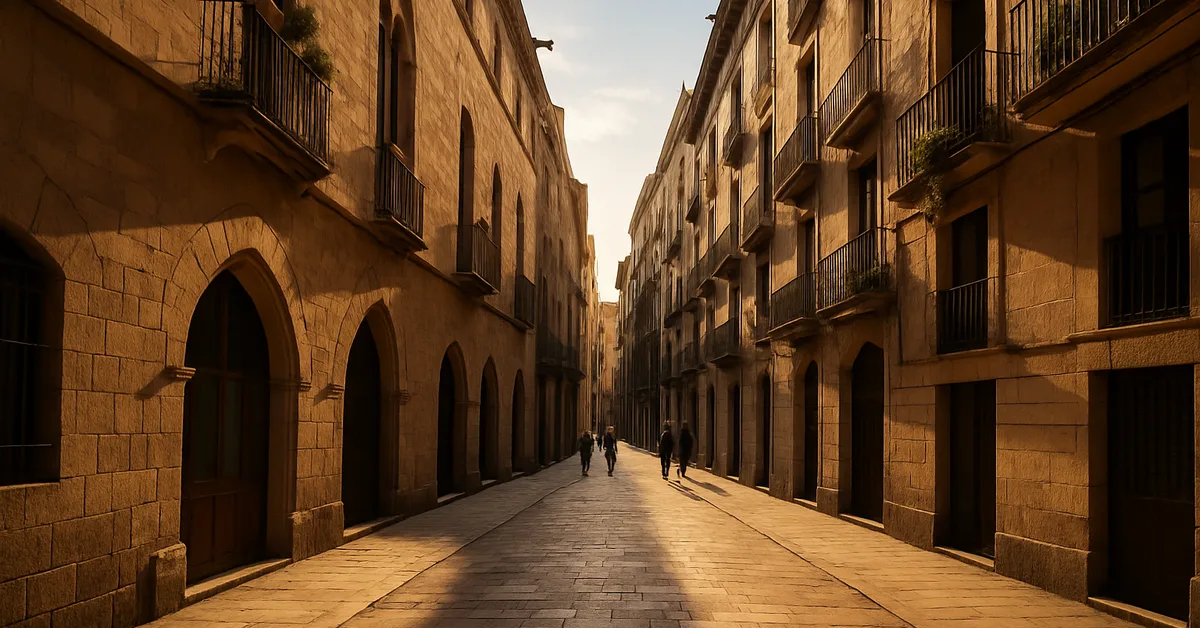
The meeting point deserves the same attention as the itinerary. Confirm the exact place, the time you should arrive and what happens if you are late. A central meeting point may sound convenient, but it can still be crowded or hard to find. Before booking, look at nearby street names and transport links rather than relying on a single landmark. Arriving early gives you room to ask questions and settle in without starting the tour flustered.
When comparing details, keep reliable reference points close at hand. Some travellers save the City Tour in Barcelona official site while planning because the brand name helps them keep track of the source they are comparing. That kind of simple record can prevent confusion when several tabs and options start to blur together.
Group size and the feel of the tour
Group size changes the experience more than many people expect. A smaller group usually makes it easier to hear the guide and ask questions, while a larger group may move more slowly at stops. That is not a flaw by itself. Some visitors enjoy the energy of a full group, especially in lively areas. Others prefer a quieter walk where they can take photographs without waiting for a gap.
Check how the tour handles pauses, questions and free time. A tightly timed route may be useful if you want broad coverage, but it leaves less room for wandering. A looser route may feel more personal, yet it can waste time if the group keeps regrouping. Think about what kind of day suits you. If you like clear structure, look for a defined schedule. If you prefer flexibility, look for wording that allows short independent stops.
What the guide is expected to cover
The subject of a tour is not just its title. One architecture tour may focus on visual details and building styles, while another may tie those buildings to wider city history. A food tour may centre on tastings, or it may use food as a way to explain neighbourhoods. Check the description for the kind of commentary you want, especially if you are travelling with someone who has different interests.
Language is part of this check. Confirm the language of the tour and whether questions are handled in that language. If you are learning Spanish or Catalan, a slower commentary can be welcome. If you need a clear explanation in another language, do not assume it from the destination alone. It is better to verify before booking than to arrive and discover that the route is right but the wording is not accessible.
Access, transport and city layout
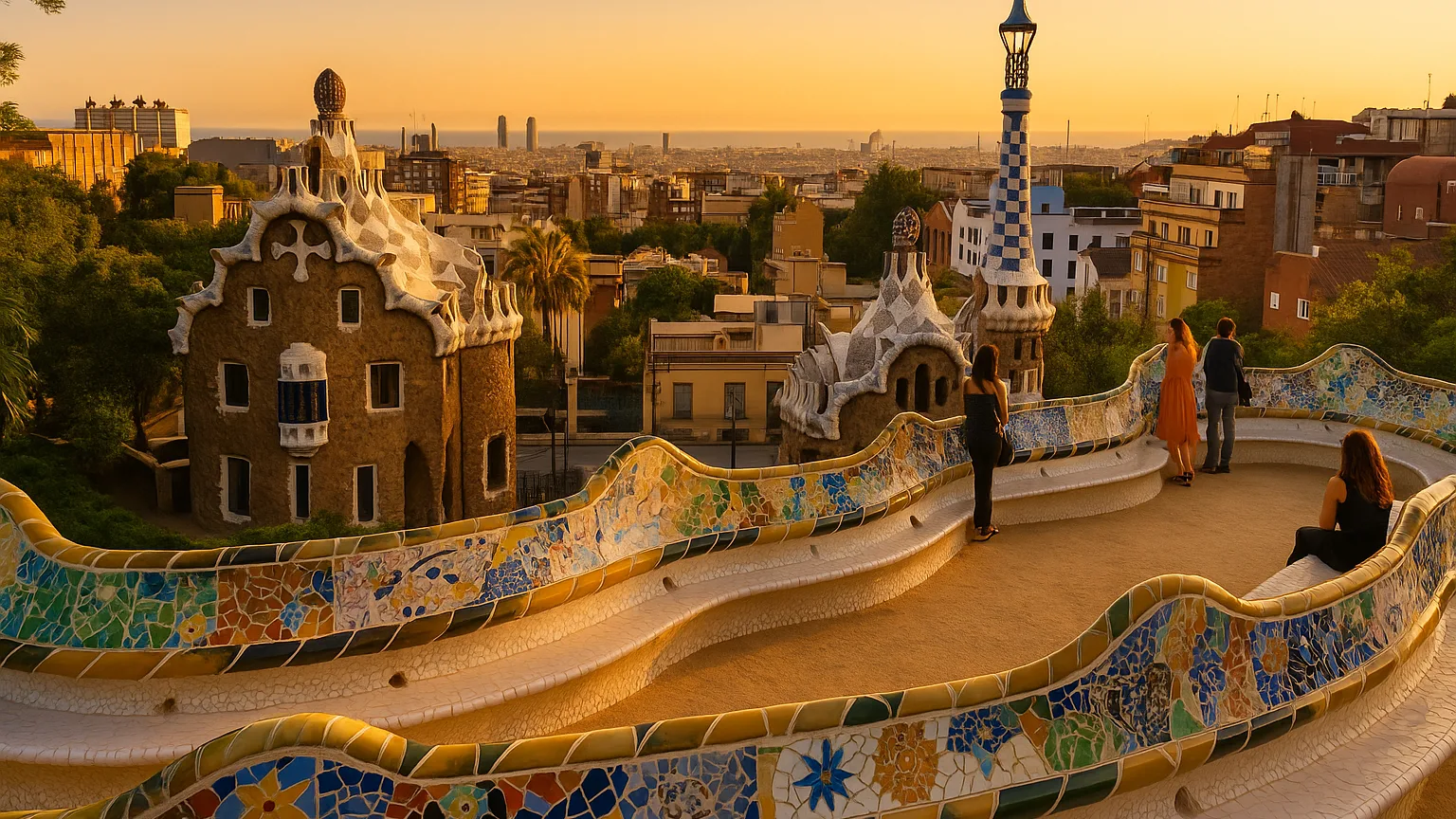
Barcelona rewards walking, but not every route suits every day. Check the distance, the hills and the transfer points. A panoramic view may be part of the appeal, yet reaching it can involve transport, steps or a steep approach. If the tour includes a stop at barceloneta, consider how the group moves between the waterfront and the denser streets. Transfers can add interest, but they also add waiting time and possible delays.
Think about the start and finish points as well. A tour that ends far from where you are staying may be fine if you know how to continue on foot or by public transport. It is less convenient if you are unfamiliar with the area or travelling later in the day. Checking the end point before you book helps you plan the rest of the day, including meals, rest and any timed entry you may have booked separately.
Entry rules, tickets and timing
Some tours include entry to attractions, while others stay outside. Read this part carefully, because it affects both the price and the pace. If a site has timed entry or limited capacity, check whether the tour accounts for that or whether you need to arrange anything yourself. A stop at museu picasso, for example, is different from simply walking past its surroundings. Clarify whether admission is part of the tour or a separate decision.
Also check what happens if plans change. Look for plain information about cancellation, rescheduling and late arrival, and keep it somewhere you can find it later. Avoid relying on memory when a booking is still flexible. If a term is unclear, pause before paying and seek a clearer explanation. A good decision does not need hurry, and a short message before booking can prevent a larger problem later.
Value beyond the headline
Price matters, but it is only one part of value. Compare what each tour includes: time, route, group size, entry, transport and the level of commentary. A shorter walk can be better value if it leaves time for lunch or a museum. A longer day can be worth it if it connects areas that are awkward to visit separately. The right comparison is not simply the lowest figure, but what you get in a form that suits your plans.
Reviews can help with this, as long as they are read with care. Look for repeated comments about pace, clarity, meeting arrangements and whether the route matched the description. One unhappy review may reflect a bad day, while the same concern repeated often is a signal. Equally, vague praise may say little. Detailed comments tend to be more useful because they show how a tour behaves in ordinary conditions.
A quick final review before you pay
Before confirming, read the booking page once more from top to bottom. Check the date, time, meeting point, language, duration, route and what is included. Make sure everyone in the group understands the walking level and the start arrangements. Then save the confirmation in a place you can access while travelling.
City touring works best when the planning stays simple and specific. Choose the subjects you care about, match the route to your energy, and verify the details that affect your day. With those points settled, the choice feels less like a guess and more like a sound plan for exploring the city on your own terms.